What Does Direct Mail Personalization Even Mean?
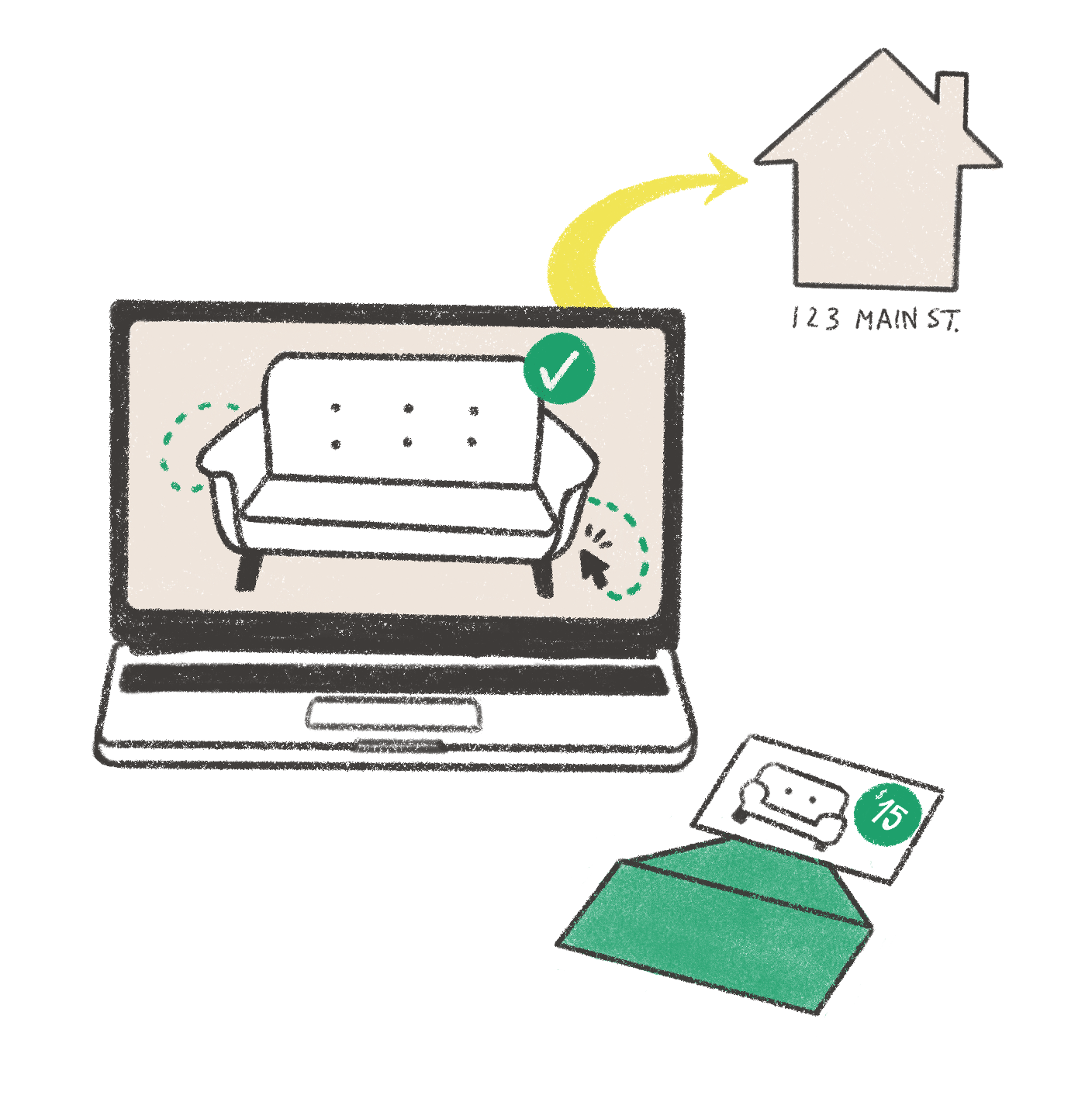
For a lot of brands, personalization in direct mail starts and stops with a name in the address block. That's a missed opportunity.
Most marketers already know personalization works. 96% of leaders said it lifts results. But the strongest campaigns go further, using behavior, preferences, and milestones to decide who gets mail and when it lands.
Consumers are raising the bar too. 84% say higher prices have changed how they shop, and 68% are paying closer attention to what shows up in their mailbox. When people look harder, relevance matters more.
Here are five places to personalize that go well beyond the name.
1. Audience: personalize who gets the mail
The most important personalization decision happens before anything is designed. Who you mail shapes everything else.
That means going past broad demographics. Look at purchase history, browsing behavior, life stage, and location. A lapsed customer, a first-time buyer, and a household that just moved into the neighborhood all need different things from you.
High-performing teams are leaning into this. 59% of high-ROI teams use AI to bring behavioral data into their direct mail. For brands focused on local reach, geography does a lot of the work too. Neighborhood-level targeting puts mail in front of the households most likely to respond, not just the most households.
2. Timing: personalize when it arrives
The right message at the wrong time is still the wrong message.
Timing can be tied to what someone did, like browsing a product, abandoning a cart, or making a first purchase. It can be tied to a milestone, like a renewal date, a birthday, or a move. Or it can be tied to the calendar, like a seasonal need or a local event.
There's a catch. Personalized timing only works if the mail actually shows up when you planned. 82% of teams have faced unexpected costs or missed delivery windows, and only 39% have full, real-time visibility into delivery status. If timing is part of your strategy, in-home dates need to be planned and tracked as carefully as the creative.
3. Creative: personalize what they see
Creative personalization is where most brands stop at the name. It can do a lot more.
Swap in product imagery based on what someone browsed or bought. Adjust the headline for a loyal customer versus someone you haven't heard from in a year. Use local imagery or references when you're mailing by region. Change the tone for a new customer who is still getting to know you.
You don't need dozens of versions to make this work. Three or four well-built variations, each matched to a clear segment, are easier to produce, easier to measure, and usually more effective than a long list of small tweaks nobody can track. 74% of high-ROI teams now use AI to create personalized messaging, which makes versioning at scale more realistic than it used to be.
4. Offer: personalize what they get
The same discount sent to everyone is easy to run. It's also easy to ignore, and it can give away margin you didn't need to give.
Consumers are looking for value right now. Deals, affordability, and useful information were what earned attention in the mailbox. That's a reason to think harder about the offer, not just make it bigger.
Match the offer to the relationship. A first-time buyer might need a clear incentive to try you. A loyal customer might respond better to early access or free shipping than another percentage off. A high-value customer might care more about something exclusive. Testing offers by segment is one of the simplest ways to learn what actually moves each group.
5. Format: personalize what lands in the mailbox
Format is the most overlooked part of personalization. But the physical piece sends a message before anyone reads a word.
Different formats do different jobs. A postcard is quick and works well for reminders, timely offers, and triggered follow-ups. A catalog gives high-intent customers room to browse and discover. Shared mail reaches a broad local audience efficiently, which makes it strong for acquisition. A letter works when the message is detailed or needs more privacy.
The right format depends on who you're mailing and what you want them to do. A new prospect and a longtime customer probably shouldn't get the same piece, even if the offer is similar.
Relevance is the point
The goal of personalization isn't to show someone how much data you have. It's to send something that feels useful, timely, and worth their attention.
Most consumers are open to it when it's done well. 82% are comfortable with brands using AI to personalize direct mail, whether that means tailoring content or delivering better offers. That comfort depends on the mail feeling helpful, not intrusive.
You also don't have to personalize all five at once. Start with the lever that fits your goals and data best, measure it, then build from there. Want help building a more personalized direct mail program? Get in touch with our team.

Ready to get started?
See how direct mail can help your brand grow. Reach out for more information.